
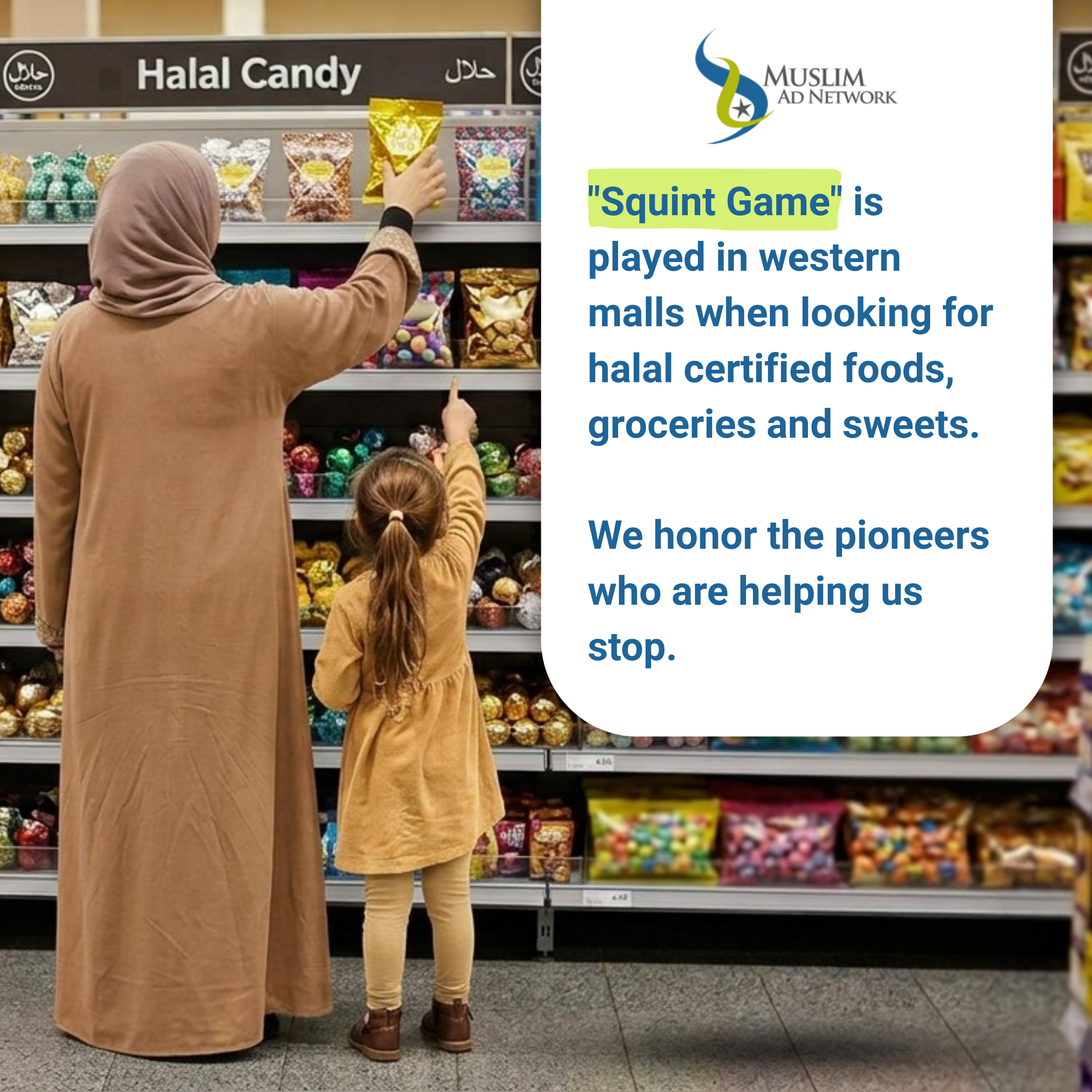
In Muslim culture, sweets are woven into the very fabric of existence. Every single event, yes, all of them, revolves around something sweet. Even during moments of quiet grief like someone's death, we use sweet halwa and soft pastry to share warmth and care.
As simple as it sounds on the surface, it is not just a casual food preference. There is a deep, spiritual, and cultural momentum behind why Muslims purchase sweets at an unmatched scale.
A Sacred Tradition of Sweetness
The profound love for sweets in the Islamic world runs all the way back to the Sunnah. It is narrated that the Prophet (peace be upon him) loved sweet foods, honey, and dates. Dates are used to break the fast every single day of Ramadan, and honey is celebrated in the Quran for its healing properties. Because of this, sweet ingredients like dates, raw honey, rosewater, cardamom, and toasted nuts carry a sacred, blessed status in Muslim homes. Loving sweets is practically in the cultural DNA.
Going Overboard: Sweet Shopping in the Muslim World
When a festive season hits, Muslim households buy sweets on a massive scale. If you walk into a market in Istanbul, Cairo, Lahore, or Riyadh before Eid, the sheer volume of confectionery being sold will make your head spin. People do not just buy a small bag; they leave markets balancing giant, multi-tiered trays and heavy gift boxes packed to the brim.
In Turkey, Eid al-Fitr is so deeply tied to confections that it is officially called Seker Bayrami (Sugar Feast). Entire city streets transform into massive sweet bazaars as families buy kilograms of candies, pistachio baklava, lokum (Turkish delight), and kunefe to give to every neighbor, child, and visitor who walks through their door.
Outsiders might wonder why families go so far overboard with sweet shopping. The reason is simple: in our culture, running out of sweets when a guest arrives is the ultimate hospitality nightmare. You do not just buy enough for your immediate family; you buy enough to sweeten the palate of an entire community.
From Bazaars to the Western "Squint Game"
Back in Muslim-majority countries, you can buy a bag of gummies or a box of pastries, rip open the wrapper, and chew all the way to the bottom without giving it a second thought. But in the West? For decades, it has been the endless "squint game."
You stand in the grocery aisle, squinting at micro-print ingredient lists, hunting for a tiny halal seal, or scanning line by line to make sure there is no pork gelatin, carmine dye, or hidden alcohol. For Muslim parents, this routine has been particularly heartbreaking.
Every mom knows the feeling of watching her child hold up a bright bag of marshmallows or gummy bears in the store, only to have to gently take it away and say no because of haram gelatin. As a marshmallow and gummy lover, imagining a world without those soft, pillowy treats is almost impossible.
That is why the companies changing this narrative deserve real praise.
Whether they are manufacturing certified bovine gelatin treats locally or importing trusted brands from abroad, what these companies are doing goes far beyond just B2B supply chains and bulk customer counts.
Making 100% halal-compliant sweets, gourmet chocolates, and sparkling drinks available in Western stores is an act of service. It is gaining immense barakah, stepping into people's duas, and becoming a silent part of every family celebration, consolation, and daily moment of relief. It is serving as a bridge of rizq that helps Muslims in the West finally feel at home, allowing both kids and adults to pick up a bag of candy, close their eyes, and just enjoy it.
Honoring the Pioneers who Make it Available
Behind every bag of halal gummies on a Western shelf is a brand that fought to put it there. These are the brand owners, importers, and manufacturers who spent years navigating certifications, building relationships with overseas suppliers, and pushing halal products into stores that once had none.
Their work rarely gets applauded the way it deserves, but its impact is everywhere. It is the reason a mother no longer has to say no in the candy aisle. It is the reason a grandmother can pass down the same treats her own grandmother once made, now available a few miles from home instead of an ocean away.
Every crate of dates imported, every batch of certified gummies produced, every trusted brand carried across the water brings a quiet kind of barakah into daily life. These products become part of birthday parties, Eid mornings, school lunches, and late-night cravings satisfied without a second thought. For a child, it becomes the simple relief of not being the only kid at the party who cannot eat the cake.
A few of the brands leading this shift:
www.haribo.com/tr-tr
....and more!
There are no red carpets for the people who fought to get a halal certification stamped on a label. But every time a family closes their eyes and enjoys a treat without worry, that effort is felt. These are the brands proving that halal never has to mean settling for less.
Launch your campaign to reach your target Muslims and scale your halal business: advertise.muslimadnetwork.com
Contact us for campaign consultation: sales@muslimadnetwork.com